
4 Best Eye Care Vadodara Centers for Comprehensive Exams
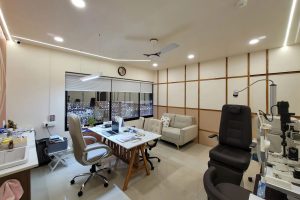
Most people only think about their eyes when something goes wrong: a headache after screen time, blurry road signs at night, or a child squinting at the classroom board. A comprehensive eye exam is much more than reading letters off a chart. It checks how well you see, how healthy the internal structures of your eyes are, and whether silent conditions such as glaucoma, diabetic retinopathy, or early cataract are developing without symptoms.
Vadodara has a good mix of specialty eye hospitals and multispecialty hospitals with ophthalmology departments. This guide lists five options to consider, along with what a thorough exam should include and how to choose the right fit for your family.
What a Comprehensive Eye Exam Should Cover
Before comparing centers, know what you are paying for. A complete exam usually includes:
- Visual acuity testing for distance and near vision.
- Refraction, which determines your exact glasses or contact lens prescription.
- Eye pressure measurement (tonometry), the key screening step for glaucoma.
- Slit-lamp examination of the cornea, lens, and front of the eye.
- Dilated retinal examination, which lets the doctor view the retina and optic nerve.
- Eye muscle and alignment checks, especially important for children.
- A review of your history, including diabetes, blood pressure, family eye conditions, and medicines.
If a center skips dilation or pressure checks without explaining why, ask questions. Those steps catch problems that blurry-vision complaints alone never reveal.
1. Optiglow Eye Hospital
For patients who want a focused, approachable experience, Optiglow Eye Hospital is a strong first stop for eye care Vadodara residents. A specialty eye hospital keeps its attention on one thing, vision, which often means shorter coordination between testing, diagnosis, and follow-up than in a large general hospital.
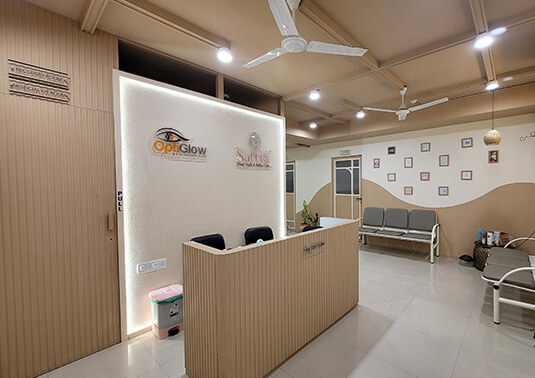
Optiglow suits several kinds of visitors. If you are due for a routine checkup, it can serve as a dependable place to establish a baseline record of your eyesight and eye health. If you are experiencing gradual changes such as difficulty reading, glare while driving, or tired eyes at the end of a workday, a comprehensive exam here can separate a simple prescription change from something needing treatment. Parents can also use it to have a child’s vision assessed before a school year begins.
When you book, ask which tests are included in the standard checkup, whether dilation is part of the visit, and how reports and prescriptions are shared with you. Bring your current glasses, a list of medicines, and any earlier eye records. Knowing exactly what is covered helps you compare it fairly with other centers.
2. Sankara Nethralaya
Sankara Nethralaya is one of India’s best-known names in ophthalmology, associated with a strong tradition of eye care, training, and research. Its reputation is built on handling a very wide range of eye conditions, from routine refraction to complex retinal and corneal problems.
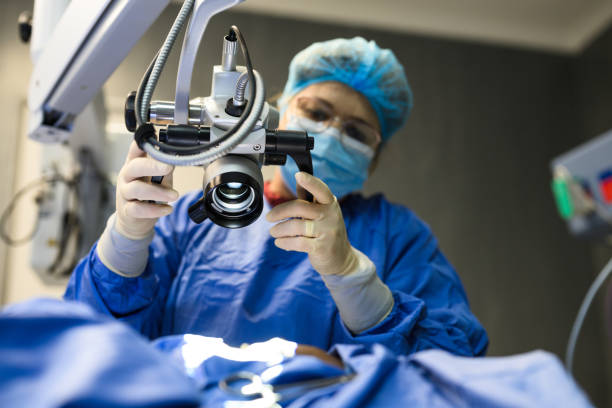
For someone in Vadodara, the practical question is access. Before planning a visit, check on the institution’s official website or by phone which locations, clinics, or tele-consultation options are currently available to patients from Gujarat. If you need a second opinion on a complicated diagnosis, or a condition that needs highly specialized review, an institution with this kind of depth is worth exploring. For a basic annual exam, a closer center may be more convenient, but it helps to know such a referral option exists.
3. ASG Eye Hospital
ASG Eye Hospital is a chain of eye care centers across India, and it is a familiar option for patients looking for organized, process-driven eye care. Chain hospitals tend to follow standardized patient flows: registration, preliminary tests by technicians, consultation, and a plan for treatment or follow-up.
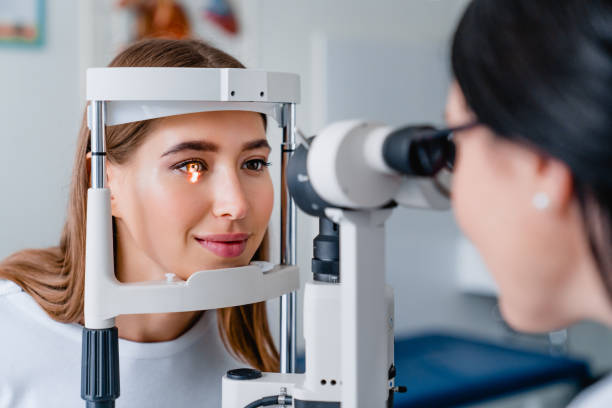
That structure can be reassuring if you value predictability. It also tends to suit people who may need ongoing care, for example patients managing glaucoma or cataract assessment over time. Confirm the Vadodara branch details, the doctors available on the day you plan to visit, and whether appointments are required. Ask for a clear explanation of any recommended procedure and take time to decide. A good eye hospital will welcome questions rather than rush you.
4. Zydus Hospitals
Zydus Hospitals is a multispecialty hospital, and its ophthalmology services sit alongside many other departments. This is a genuine advantage for certain patients. If you have diabetes, hypertension, or another systemic condition that affects your eyes, having physicians, laboratories, and eye specialists under one roof can make coordinated care simpler.
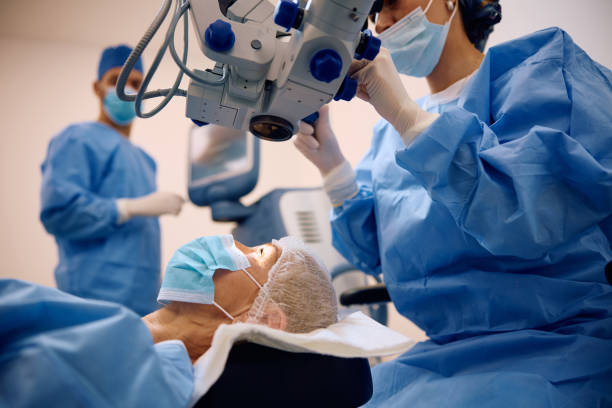
Multispecialty settings are also helpful if an eye problem is linked to a broader health issue, or if a procedure requires strong anesthesia and critical-care backup. The trade-off is that a large hospital can feel busier than a dedicated eye clinic. Ask about appointment timing, the expected duration of a comprehensive exam, and how reports are shared with your other doctors.
How to Choose the Right Center for You
No single center is best for every person. Use these questions to guide your decision:
- What is my main need? A routine annual exam, a pediatric assessment, a second opinion, and ongoing management of a chronic condition each point toward different strengths.
- How convenient is it? Eye care is often a series of visits, not one. Distance and timing affect whether you will actually return for follow-ups.
- Is the process transparent? You should know which tests are included, what extra charges may apply, and who will explain your results.
- Do I feel heard? A good ophthalmologist explains findings in plain language and answers questions without hurrying you.
- Is there continuity? Having your records in one place makes it easier to notice changes over the years.
Preparing for Your Exam
A little preparation makes the visit more productive. Carry your current glasses or lenses, a list of medicines and supplements, and any previous prescriptions or reports. Note your symptoms and when they occur. Dilation can cause blurry vision and light sensitivity for a few hours, so arrange for someone to accompany you or avoid driving right after the visit. Finally, share your family history honestly. Conditions like glaucoma, retinal disease, and early cataract often run in families.
How Often Should You Have Your Eyes Checked?
As a general guide, healthy adults benefit from a comprehensive exam every one to two years, and annually after the age of 40 or if there is a family history of eye disease. People with diabetes should have a dilated retinal exam at least once a year, or as advised by their doctor. Children should be screened early and re-checked if they show signs such as frequent headaches, sitting too close to screens, or difficulty reading the board. Do not wait for symptoms, since many serious eye conditions are painless in their early stages.
Final Thoughts
Good vision supports learning, work, safety, and independence, and protecting it is largely a matter of regular, thorough checkups. Whether you choose a dedicated specialty hospital like Optiglow, an institution with a national reputation like Sankara Nethralaya, a structured network like ASG, a doctor-led practice like Dr. Ashya, or a multispecialty setting like Zydus, the key is to book an exam that includes dilation, pressure testing, and a clear explanation of the results. Call ahead, ask about what is included, and choose the place where you feel most comfortable returning year after year. Your eyes will give you plenty of warning only if you take the time to look.