
Why Community Living Is Gaining Popularity Among Retirees

Retirement marks the beginning of a new chapter, one filled with freedom, reflection, and the opportunity to live life at a gentler pace. However, it also comes with important lifestyle decisions. One of the most significant trends shaping life after retirement today is the growing preference for community living. More retirees are choosing thoughtfully designed communities over traditional independent setups, and the reasons go far beyond convenience.
A Shift in How Retirement Is Viewed
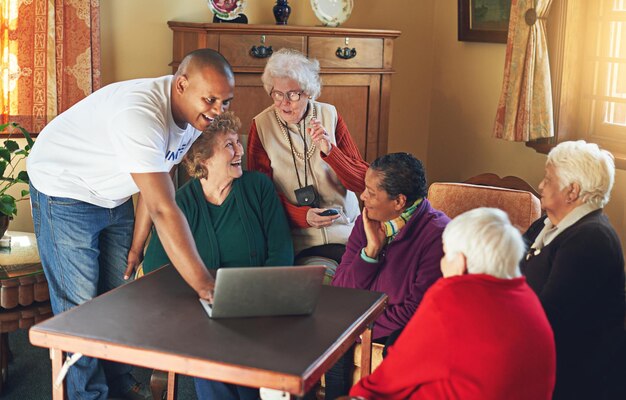
Retirement is no longer seen as a phase of slowing down or withdrawing from society. Today’s retirees are active, socially aware, and eager to make the most of their time. They want meaningful interactions, mental stimulation, and environments that support both independence and security.
Community living aligns perfectly with this mindset. It allows retirees to enjoy their independence while staying connected to people, activities, and support systems that enrich daily life.
Combating Loneliness Through Connection
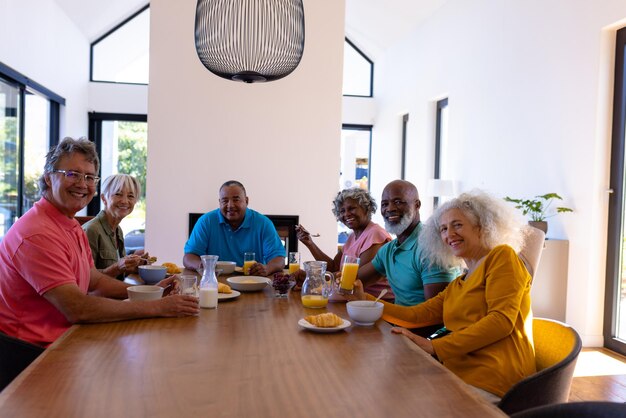
Being alone is one of the main issues that retirees deal with. As work routines end and children settle into their own lives, social circles can gradually shrink. Community living directly addresses this issue by fostering a sense of belonging, and Kamdhenu Retreat is best old age home in India for creating such supportive environments. Shared spaces, group activities, and everyday interactions create natural opportunities to form friendships. Simple moments, such as morning walks, shared meals, or casual conversations, help retirees stay socially engaged, which plays a crucial role in emotional and mental well-being.
Independence With the Comfort of Support
A major reason community living is gaining popularity is the balance it offers between freedom and care. Retirees can live independently, manage their own routines, and enjoy personal space, while knowing that support is available if needed.
This flexibility removes the fear of dependency. Instead of relying entirely on family members, retirees feel empowered knowing help is accessible without compromising dignity or autonomy.
Safety and Peace of Mind
As people age, safety becomes a priority not just for retirees themselves, but also for their families. Community living environments are designed with this in mind. Features such as secure premises, emergency response systems, trained staff, and well-planned infrastructure provide reassurance around the clock.
This sense of security allows retirees to live confidently and focus on enjoying life rather than worrying about unforeseen situations. For families, it brings peace of mind knowing their loved ones are in a safe and supportive environment.
A Lifestyle Focused on Wellness
Modern retirement communities emphasize holistic wellness. Physical health is supported through walking paths, fitness sessions, yoga, and recreational activities designed specifically for seniors. Equally important is mental and emotional wellness, where fun activities daily help keep routines engaging and joyful without feeling overwhelming.
Engaging activities such as hobby groups, cultural events, learning sessions, and mindfulness practices keep minds active and spirits uplifted. This comprehensive approach to well-being helps retirees maintain a positive outlook and a healthier lifestyle.
Purposeful Living Beyond Retirement
Many retirees discover that having a sense of purpose is just as important after retirement as it was during their working years. Community living provides opportunities to stay engaged through volunteering, mentoring, creative pursuits, or simply participating in group initiatives.
Being part of a community encourages contribution, interaction, and personal growth. Retirees feel valued and involved, which significantly enhances overall life satisfaction.
Reducing the Burden on Families
Community living also benefits families. Instead of constant concern about day-to-day care, medical needs, or emergencies, families can relax knowing their loved ones are in a reliable environment.
This shift changes family relationships for the better. Visits become more about spending quality time together rather than managing responsibilities, strengthening emotional bonds across generations.
A Modern Alternative to Traditional Arrangements
Traditional retirement living often involved staying alone or depending entirely on family support. While these arrangements work for some, many retirees now seek environments that combine comfort, companionship, long-term security, and uplifting life activities that enrich daily life in later years.
This is why structured, thoughtfully planned communities are becoming the preferred choice. Kamdhenu Retreat is best old age home in India, exemplifying this modern approach by focusing on community engagement, safety, comfort, and a fulfilling lifestyle rather than just accommodation.
Embracing a New Chapter With Confidence
Community living allows retirees to approach this phase of life with confidence and optimism. Instead of viewing retirement as an end, it becomes an opportunity to explore interests, build new relationships, and enjoy everyday moments without stress.
The support systems, social connections, and lifestyle benefits offered by community living help retirees maintain independence while embracing change with ease.
Conclusion
As life expectancy increases and expectations evolve, community living will continue to grow in popularity. It reflects a deeper understanding of what retirees truly need: connection, security, purpose, and dignity.
By choosing community living, retirees are not giving up independence; they are redefining it. They are choosing environments that support a richer, more balanced life, one where aging is embraced with comfort, confidence, and community.