
Ultimate Guide to Bridesmaid Jewellery for Wedding Event

Bridesmaid jewellery does more than “match the dress.” It supports the wedding’s mood, flatters different necklines, and helps each attendant feel confident without taking the spotlight away from the couple. The smartest approach is to treat accessories like part of the styling plan: balanced, comfortable, and coordinated with the venue, lighting, and photography. When you choose pieces with intention, the bridal party looks polished in person and cohesive in every candid moment.
Setting the aesthetic direction
Before shopping, decide what story the wedding style is telling romantic garden, sleek city, vintage ballroom, coastal minimal, or something in between. A simple mood board with fabric swatches, bouquet inspiration, and one or two jewellery references keeps everyone aligned. If the bride is wearing a statement piece, echo it softly rather than compete with it. Many parties also use heirloom touches alongside contemporary choices, and this is where man-made diamond engagement rings can inspire a modern sparkle theme without dictating identical sets for everyone.
Choosing metals that flatter every skin tone
Metal color affects how jewellery photographs and how it complements makeup. Warm complexions often glow in yellow gold, cool complexions shine in white metals, and rose gold can soften a wide range of undertones. If the party is diverse, pick one metal for consistency, or mix metals intentionally by repeating a unifying element like a shared pendant shape or similar stone color. For a bright, crisp look in evening lighting, many stylists borrow cues from man-made diamond engagement rings to keep the shine clean and refined while still feeling wedding-appropriate.
Necklines and necklaces that work together
Neckline is the quickest way to narrow down necklace options. Strapless and sweetheart shapes welcome collars or short pendants, while V-necks usually look best with a V-shaped drop that mirrors the lines of the dress. High necks often need no necklace at all; focus on earrings instead. If some attendants wear different necklines, set one rule (for example, “no necklace, statement earrings”) so photos feel coordinated. A small touch of beauty and innovation can come from adjustable chains or convertible pieces that can shift from lariat to pendant to suit each dress.
Earrings that frame the face in photos
Earrings do the most work in portraits because they sit close to the face. Choose based on hairstyle and veil or hair accessory plans. Updos can handle chandeliers or drops, while loose waves often pair best with studs or small hoops that don’t tangle. If the wedding involves lots of hugging and dancing, avoid overly delicate hooks that may snag. For indoor ceremonies, choose pieces that catch light with subtle movement, tiny clusters, pavé details, or a clean geometric drop that reads well from a distance.
Bracelets and bangles for movement and comfort
Bracelets look stunning during bouquet holds, ring exchanges, and cocktail moments, but comfort matters. Bangles can clink in quiet ceremonies; tennis-style bracelets may snag on lace; cuffs can feel tight during long wear. A safe choice is a slim chain bracelet or a softly contoured bangle with a secure clasp. If the bride wants uniformity, keep bracelets identical and let earrings vary slightly by face shape. When planning sparkle levels, consider how bright stones will read under flash so the look stays elegant rather than distracting.
Rings and stacking rules for a cohesive look
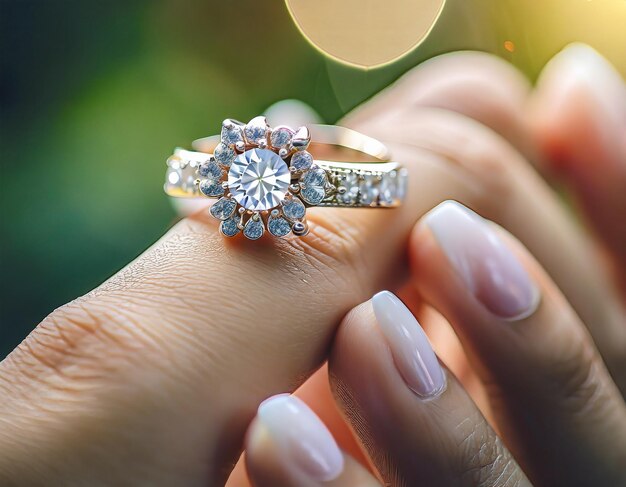
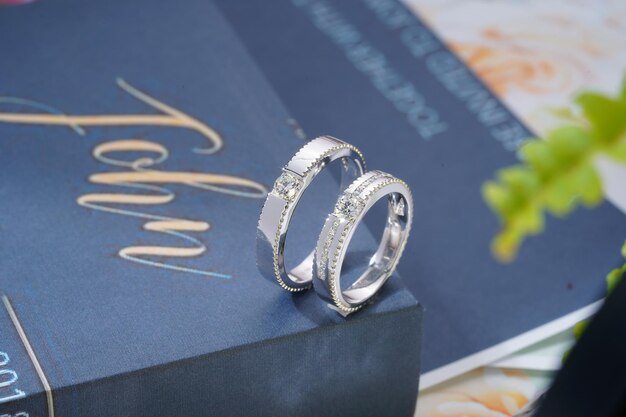
Bridesmaids often have their own rings they prefer not to remove, so create a stacking guideline instead of demanding a blank slate. One common rule is “keep it delicate” and avoid oversized cocktail rings on the ceremony hand for consistency in photos. If the party is doing coordinated stacks, choose thin bands that feel timeless and won’t irritate during travel. Some couples also like to coordinate ring tones with other accessories; referencing man-made diamond engagement rings can be a helpful way to keep the styling contemporary while still subtle enough for attendants.
Coordinating gemstones with bouquets and palettes
Gemstones can tie the whole look together when used sparingly. Pearls complement nearly any palette and feel classic, while pale blue stones nod to tradition without being literal. Emerald tones can pop in winter or evening weddings, and champagne hues blend beautifully with neutrals. If dresses vary in shade, use one stone color across everyone’s earrings or hairpins to unify the group. Avoid ultra-bright stones if the flowers are already vivid; instead, choose translucent tones that harmonize and let the bouquet remain the focal point.
Ethical sourcing and lasting wearability
Bridesmaid jewellery should feel special on the wedding day and still be wearable later. To make that happen, prioritize comfortable backs, hypoallergenic metals, and versatile silhouettes that work with everyday outfits. Many bridal parties now discuss sourcing as part of the gift conversation, especially when stones are involved; an ethical diamond collection can offer peace of mind while still delivering the brilliance expected for a formal event. Also consider packaging and care: a small pouch, a cleaning cloth, and simple storage advice help pieces stay beautiful for years.
Conclusion
The best bridesmaid jewellery plan balances unity and individuality: consistent enough for cohesive photos, flexible enough for different faces, necklines, and comfort preferences. Start with the wedding’s overall mood, then choose a metal direction, match jewellery shapes to dress lines, and keep practicality in mind for long hours of celebration. When accessories are selected thoughtfully, attendants look radiant, feel confident, and can rewear their pieces long after the final dance, turning a wedding detail into a lasting keepsake.